
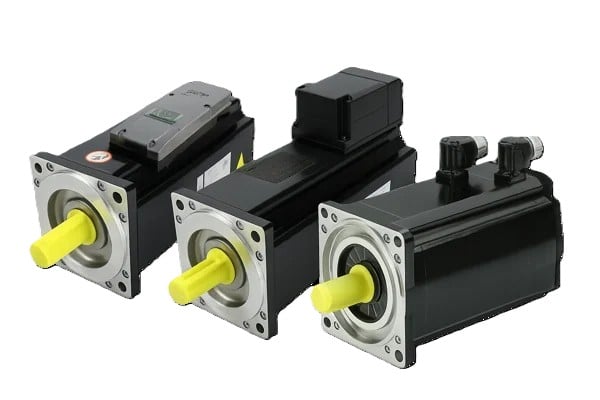
Bearings in PacDrive M and PacDrive 3 motors operate under demanding conditions making them amongst the most stressed components on a production line. With motors spinning at up to 8,000 rpm (SM and iSH motors can spin up to 6,000rpm and SH motors to 8,000rpm) not surprisingly these bearings begin to wear over time. Consequently, a two‑year replacement interval is recommended as a preventative measure to maintain motor efficiency and minimise the risk of unplanned downtime.
The implications of not servicing the motors and replacing worn bearings on schedule can extend far beyond the cost of the component itself. An unexpected failure can bring an entire production line to a halt resulting in significant financial losses. Emergency repairs are also typically far more expensive than planned maintenance, especially if specialist engineers or express parts shipments are needed.
Additionally, in industries with tight delivery schedules – such as food, pharmaceuticals and consumer goods – any delay can quickly lead to missed customer deliveries. This can damage trust and repeated failures can erode confidence. In competitive markets reputational damage can potentially be more costly than the repairs themselves: customers need reliable suppliers and breakdowns at the wrong time could jeopardise long‑term contracts.
One good indicator of a motor’s condition is the amount of current it is drawing as an increase over time is a sign of bearing wear. This increase can be detected by condition monitoring tools, such as our Machine Analyser®, which can alert engineers to a potential issue allowing preventative measures to be taken. However, it remains advisable to follow a two‑year replacement cycle as this helps maintain a motor’s efficiency and minimise the risk of any unplanned downtime.
By following a recommended cycle companies can help protect their equipment, maintain production continuity as well as safeguard their reputation. Preventative maintenance is ultimately far more cost‑effective than reacting to avoidable failures: time to review when your PacDrive motors were last overhauled?